



Last Updated On April 25, 2026
Tribulus Terrestris and Fertility: Brief Overview
- Research suggests it contains Protodioscin, a steroidal saponin that may act as a precursor to essential sex hormones.
- For Men: Potential to increase sperm count, motility, and overall libido by supporting testosterone pathways.
- For Women: Suggested support for ovulation regulation, egg quality, and managing symptoms of PCOS.
- Safety First: Generally safe for most, but strictly contraindicated during pregnancy and breastfeeding.
- The Bottom Line: A principled botanical choice for “cleaning the path” to conception, provided it is used with the correct dosage.
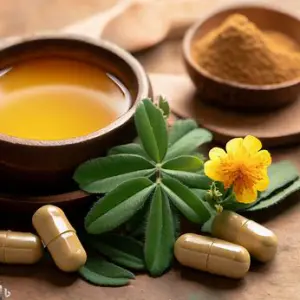
If you’ve been navigating the world of reproductive wellness for a while, you’ve likely heard whispers about Tribulus Terrestris. Known in traditional circles as “Gokshura” or “Puncture Vine,” this herb has moved from ancient folklore into the spotlight of modern fertility research.
At FertilityLens, we don’t do “hype.” We look for the biological truth. If you’re a couple trying to conceive (TTC), understanding how this herb works—and where to be cautious—is vital. Let’s break down the science-backed potential of Tribulus.
The Active Compounds: Vital Nutrients in Tribulus
The efficacy of Tribulus Terrestris isn’t magic; it’s chemistry. Here are the primary compounds research suggests are responsible for its fertility-boosting reputation.

5 Potential Fertility Benefits of Tribulus Terrestris
1. Suggested Support for Sperm Count and Motility
For men, the “truth” about Tribulus Terrestris benefits for sperm is promising. Research suggests that it can increase sperm concentration and “swimming ability” (motility). By acting as an antioxidant, it may prevent the cellular damage that leads to poor morphology.
2. Potential to Regulate Ovulation and Cycle Length
In women, irregular cycles can make timing intercourse a nightmare. Research indicates that Tribulus may help regulate the menstrual cycle. A notable case study observed a woman whose cycle was regulated to a consistent 32 days after five months of treatment, eventually leading to a successful pregnancy.
3. May Improve Egg Quality and PCOS Symptoms
For those dealing with PCOS, excess androgens can block ovulation. Research suggests that the sterol saponins in Tribulus may help balance these hormones, potentially improving egg quality and reducing symptoms like acne or hirsutism.
4. Possible Treatment for Low Libido (HSDD)
Fertility is as much about desire as it is about biology. Studies have evaluated the efficacy of Tribulus in treating Hypoactive Sexual Desire Disorder (HSDD). In premenopausal women, it was noted as a potential safe, cost-effective alternative for reclaiming sexual vitality.
5. Suggested Defense Against Urinary Tract Infections (UTIs)
As we discussed in our guide on Teas and Herbs for UTI, recurrent infections can cause pelvic inflammation that hinders conception. Tribulus has diuretic and antibacterial properties that research suggests can help “flush” the system and protect the reproductive tract.
Biological Mechanisms: How It Works
- The LH Pathway: Research suggests that Protodioscin stimulates the pituitary gland to release Luteinizing Hormone (LH). In men, LH tells the testes to produce more testosterone. In women, LH is the signal that triggers the release of an egg (ovulation).
- The DHEA Bridge: Tribulus is suggested to increase levels of DHEA, a “pro-hormone” that the body uses to create both estrogen and testosterone as needed.
Safety Tips
How to Eat
- Capsules/Tablets: The most convenient way to ensure a standardized dose of 45% saponins.
- Powdered Extract: Can be added to smoothies, though it has a bitter, earthy taste.
- Tea: Steeping the herb in hot water is a traditional method, often combined with clove and ginger for a synergistic effect.
Dosage Facts
Research typically uses doses between 250mg and 750mg per day. It is often recommended to take it from day 5 to 14 of the menstrual cycle (the follicular phase) to support ovulation.
Critical Side Effects & Warnings
- Pregnancy & Breastfeeding: STRICTLY AVOID. Traditional evidence suggests it may interfere with fetal development.
- Common Side Effects: May cause dizziness, anxiety, stomach upset, or increased heart rate in some individuals.
- Hormone Sensitivity: If you have a history of hormone-sensitive cancers (like breast or prostate), consult a doctor before use.
Takeaway
Tribulus Terrestris is a principled choice for couples looking to boost sperm parameters and regulate ovulation.
Its primary mechanism is the stimulation of LH via protodioscin, making it an effective remedy for hormonal balance. However, safety is paramount: avoid use during pregnancy and stick to clinical dosages.
References:
- Phytotherapeutic properties of Tribulus terrestris – PubMed
- Tribulus terrestris: A review of its traditional uses and phytochemistry – PMC
- Clinical study of Tribulus terrestris in female sexual dysfunction – PubMed
- Pharmacology and Toxicology of Tribulus Terrestris – ScienceDirect
- The Profertility and Aphrodisiac Activities of Tribulus terrestris L. Evidence from Meta-Analyses – ResearchGate
- Efficacy of Tribulus terrestris in male erectile dysfunction: A systematic review – IBJU
- Does Tribulus terrestris help with infertility? Evidence-based analysis – Consensus
- Tribulus: Uses, Side Effects, and Interactions – WebMD
