



Last Updated On April 26, 2026
Lemongrass and Fertility: Quick Glance
- Role: Supporting pre-conception hormonal balance and managing PCOS symptoms.
- Mechanism: High antioxidant content (Citral) helps reduce oxidative stress in reproductive tissues.
- Safety: Strictly avoid during pregnancy; lemongrass is a potential uterine stimulant.
- Use: Suggested for use during the follicular phase (Day 1 to Ovulation).
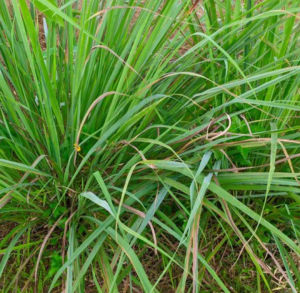
If you’ve been diving into the world of herbal supports for your fertility journey, you’ve likely come across lemongrass and herbs like cloves, and ginger. Lemongrasss known for its zesty aroma and calming tea, this plant is a staple in many botanical cabinets. But as with any powerful herb, the “how” and “when” matter just as much as the “what.”
In our community, we value the truth over the hype. Today, we’re looking at the evidence-based potential benefits of lemongrass for those trying to conceive, while being very clear about where the red flags are.
The Biological “Mechanisms”: How It Works
To understand why lemongrass is suggested by research for fertility, we have to look at its molecular makeup. It isn’t “magic”; it’s chemistry. The primary bioactive compound in lemongrass is Citral, alongside a host of flavonoids like Luteolin. Research suggests these compounds work through three main pathways:
- Oxidative Stress Reduction: Acts as a scavenger for reactive oxygen species (ROS), protecting sensitive eggs and sperm.
- Hormonal Modulation: 2026 research explores how it may help regulate the Leptin-Ghrelin axis, often disrupted in PCOS.
- Anti-Inflammatory Action: May create a more “receptive” pelvic environment by inhibiting pro-inflammatory cytokines.
Vital Compounds & Their Potential Roles
| Compound | Potential Role in Fertility | Evidence Level |
|---|---|---|
| Citral | Powerful antioxidant; may support cellular integrity. | High |
| Luteolin | Flavonoid that may help balance estrogen levels. | Moderate |
| Myrcene | Suggested to provide analgesic (pain-relief) effects. | Emerging |
Aside the list above lemongrass is a rich sources of phytochemical compounds.
20 Suggested Benefits of Lemongrass for Fertility
Here are potential benefits supported by traditional use or preliminary research.
- May Improve PCOS Symptoms: Helps reduce serum testosterone levels.
- Supports Follicular Growth: May protect developing eggs from oxidative damage.
- Hormonal Balance: Potential to increase estradiol in cases of low estrogen.
- Cycle Regularity: Suggested to help regulate a sluggish menstrual cycle.
- Cramp Relief: Antispasmodic properties may soothe heavy period pains.
- Blood Sugar Support: May improve insulin sensitivity for better ovulation.
- Detoxification: Supports liver function for filtering excess hormones.
- Reduced Oxidative Stress: Protects reproductive organs from toxins.
- Anxiety Reduction: Calms the nervous system to protect the HPO axis.
- Improved Digestion: Better nutrient absorption for hormone production.
- Antimicrobial Support: May protect the reproductive tract from infections.
- Anti-Inflammatory: Reduces systemic inflammation that can interfere with implantation.
- Cholesterol Management: Healthy fats are the precursors to steroid hormones.
- Iron Bioavailability: Helps combat cycle-related anemia.
- Bloating Reduction: Acts as a natural diuretic.
- Enhanced Libido: By reducing stress and improving blood flow.
- Sperm Quality (Male Factor): Protects sperm morphology and motility.
- Cervical Mucus Support: Hydration for fertile-quality mucus.
- Sleep Aid: Supports melatonin, a key fertility hormone.
- Immune Modulation: Helps maintain a balanced response during implantation.
Safety, Dose, and Side Effects
The Red Flag: Pregnancy
While lemongrass is excellent for getting pregnant, it is strictly unsafe once you are. It is an emmenagogue, meaning it may stimulate uterine contractions. Stop medicinal use as soon as you get a positive pregnancy test.
Suggested Daily Dose
Research suggests 1–2 teaspoons of dried lemongrass steeped in 8oz of boiling water. It is most often recommended during the Follicular Phase (Day 1 until ovulation).
Potential Side Effects
- Dizziness: Due to potential lowering of blood pressure.
- Skin Irritation: If using essential oils topically without dilution.
- Allergies: Possible if you have a sensitivity to grasses.
Lemongrass & Fertility FAQ
Q: Can lemongrass cause a miscarriage?
A: In high medicinal doses, it is feared to stimulate the uterus. Medicinal teas should be avoided during pregnancy.
Q: Does it help with ovulation?
A: Research suggests it may support the hormonal environment (lowering androgens) necessary for ovulation to occur.
Q: Can my partner drink it too?
A: Yes! Antioxidants are vital for protecting sperm from oxidative damage.
Takeaway
Lemongrass offers promising support for pre-conception health, particularly for managing PCOS and oxidative stress. However, its role as a uterine stimulant makes it unsafe during pregnancy. By prioritizing correct dosage during the follicular phase and maintaining a safety-first mindset, you can effectively harness this herb’s potential to balance your cycle.
