



Last Updated On April 29, 2026
Navigating nutrition during pregnancy requires a balance between finding relief for common symptoms and ensuring the safety of the developing fetus. Ginger and lemongrass tea is a popular herbal infusion often praised for its ability to soothe the digestive system. While this combination offers significant relief for morning sickness, its safety depends entirely on moderation and timing.
Quick Glance:
Use: Highly effective for relieving nausea and morning sickness.
Health Perks: Rich in antioxidants that prevent cell damage and essential oils that improve mood.
The Risk: Excessive intake, particularly of lemongrass, may interfere with fetal development or increase bleeding risks late in pregnancy.
Verdict: Generally safe in culinary amounts (1–2 cups), but high-dose medicinal extracts should be avoided.
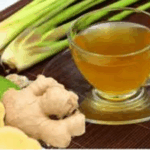
The Bioactive Powerhouse: Why This Tea Works
The synergy between ginger and lemongrass comes from their unique chemical markers. These compounds interact with the body’s nervous and digestive systems to provide relief without the need for synthetic pharmaceuticals.
Gingerols and Shogaols (Ginger)
These are the active volatile oils in ginger. They work by blocking serotonin receptors in the gut that trigger the urge to vomit. Unlike many anti-nausea medications, ginger acts locally in the digestive tract rather than just the brain [2].
Citral and Myrcene (Lemongrass)
Lemongrass is rich in citral, an essential oil with potent anti-inflammatory properties. It also contains myrcene, which is studied for its ability to relax muscles and reduce systemic pain.
5 Impressive Benefits of Drinking Ginger and Lemongrass Tea During Pregnancy
1. Lowers Blood Cholesterol
High cholesterol levels are unsafe for pregnant women since they may increase the risk of cardiovascular strain. Research shows that lemongrass may help lower cholesterol levels and reduce the risk of heart disease. An animal study indicated the effectiveness of lemongrass extract in reducing cholesterol levels in subjects given high-fat diets [1].
2. May Cure Excessive Nausea (Morning Sickness)
While vomiting is a common pregnancy symptom, excessive nausea (Hyperemesis) can be debilitating. Ginger has been clinically acknowledged for reducing nauseous feelings due to its gingerol content [3]. You can test this by chewing a small piece of raw ginger when you feel nauseous.
3. Reduces Uterine Cramping Pain
Studies indicate that ginger may help relieve pain resulting from cramping in the womb, especially during the first trimester [5]. Additionally, the essential oil citral found in lemongrass has demonstrated effectiveness in relieving inflammatory pains [6].
4. Fights Depression and Improves Mood
The discomfort of pregnancy can lead to anxiety and stress. Lemongrass essential oils help calm stressed nerves. According to research, these oils can help fight depression and improve psychological well-being during stressful periods [7].
5. Increases Body Immunity
A strong immune system is vital for both maternal and fetal safety. This tea combination is fortified with antioxidant compounds that help the body fight free radicals triggered by oxidative stress [8]. This antioxidant property has also been noted in specialized medical reviews [9].
READ MORE: 20 Surprising Benefits of Lemongrass and its Fertility Impact
Lemongrass and Ginger Tea Side Effects
Despite the benefits, “natural” does not mean “harmless.” Truth-first health advice requires looking at the potential downsides.
1. Increased Risk of Bleeding
It is best to avoid or reduce intake in the last 2 months of pregnancy. Ginger can prevent blood clotting, which may increase the risk of hemorrhaging during childbirth, especially for those with a history of bleeding disorders [10].
2. Miscarriage and Fetal Safety
The safety of lemongrass depends on the dose. High levels of myrcene and citral oil can potentially cause issues with the fetal environment if taken in an overdose. While a standard cup is generally safe, concentrated medicinal extracts are not recommended.
3. Digestive Issues: Heartburn and Burping
Excess gas or “acid burping” can occur when drinking ginger tea excessively [11]. This happens because ginger can relax the upper intestine, allowing gas to escape through the mouth.
Recommended Dosage & Preparation
For ginger, research suggests that 1 gram per day is a safe and effective limit for pregnant women [12]. Generally, 1–2 cups of tea daily is acceptable.
Ginger and Lemongrass Tea Recipe
- Gather fresh lemongrass stalks and a single ginger rhizome.
- Wash thoroughly and cut into 1-inch pieces.
- Add to a teapot with 1 liter of water.
- Boil for at least 6 minutes to extract the bioactive oils.
- Filter and add honey to taste (serve hot or chilled).
EXPLORE MORE:
- Fertility Benefits of Jute Leaf
- Harmful Effects of Fluted Pumpkin Leaf
- Essential Fertility Vitamins and Minerals
Frequently Asked Questions (FAQs)
Is lemongrass tea safe in the first trimester?
In culinary amounts, it is generally safe. However, avoid high-dose supplements due to the presence of myrcene, which may affect the early development of the fetus. Consult your doctor if you have a history of miscarriages.
Can a pregnant woman take turmeric ginger lemongrass tea?
Yes. This is a potent anti-inflammatory combination that can curb depression and improve mood. However, ensure the ginger content stays within the 1-gram daily limit.
Accidentally drank lemongrass tea; am I safe?
Yes, a single cup or occasional consumption is not known to cause harm. The risks are primarily associated with chronic excessive use or high-potency extracts.
Final Words
Drinking ginger and lemongrass tea during pregnancy is an effective way to manage morning sickness and boost immunity. Because ginger contains gingerols and shogaols, it settles the stomach better than many alternatives. However, always prioritize moderation, especially in the final weeks of pregnancy, to ensure a safe delivery.
