



Last Updated On April 26, 2026
Clove Water for Ovulation? Quick Glance
- The Big Question: Can drinking clove water during your period actually trigger or improve ovulation?
- The Verdict: While human clinical trials are limited, the potential benefits are largely attributed to the high antioxidant concentration in cloves, specifically Eugenol.
- Key Action: It is primarily used to reduce oxidative stress and inflammation, which research suggests may indirectly support follicular health.
- Vital Precaution: Cloves act as a natural blood thinner; overconsumption can lead to excessive menstrual bleeding or liver strain.
- Usage: Research suggests moderate intake—one cup of mild infusion daily—is the safest approach for most.
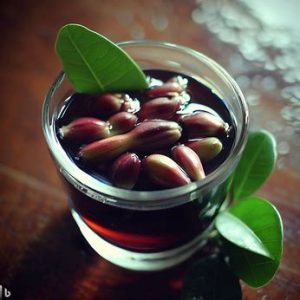
A Supportive Guide: Cloves and Your Cycle
If you have spent any time in natural fertility circles lately, you have likely heard the “buzz” about clove water for ovulation. As your peer in navigating reproductive wellness, I know how tempting it is to look for that one “miracle” spice to help regulate your cycle and boost your chances of conception.
But does the science match the social media hype? While the evidence regarding the compounds in cloves is promising, it is important to separate traditional wisdom from clinical fact. Let’s look at why this fragrant spice might be a potential ally during your period and how it works within your body.
Biological Mechanism: How It Works
To understand how clove water during periods might impact your next cycle, we have to look at its chemical profile and the biological “mechanisms” at play.
1. Managing Oxidative Stress
The primary driver behind the “fertility boost” theory is Eugenol, the main bioactive compound in cloves. Research suggests that Eugenol is a powerful antioxidant. During your period, your body is clearing out the old uterine lining and preparing for a new follicular phase. High levels of oxidative stress can potentially damage the developing eggs (oocytes). By neutralizing free radicals, clove water is suggested by some studies to protect these cells, theoretically supporting better egg quality.
2. Anti-Inflammatory Action
Inflammation in the pelvic region can lead to painful periods and may interfere with the hormonal signaling required for ovulation. The anti-inflammatory properties of cloves may help create a “calmer” environment for your ovaries to function optimally.
Vital Compounds in Cloves
| Nutrient/Compound | Potential Prenatal & Cycle Benefit |
|---|---|
| Eugenol | Potent antioxidant; may protect oocytes from oxidative damage. |
| Manganese | Essential for bone health and enzyme function in reproductive organs. |
| Vitamin K | Vital for proper blood clotting (must use with caution). |
| Flavonoids | Suggested by research to reduce systemic inflammation. |
Potential Benefits Suggested by Research
- Suggested Cycle Regulation: By potentially lowering systemic inflammation, some believe clove water helps the body “reset” during menses, leading to more predictable ovulation.
- Improved Egg Quality: Because of its antioxidant profile, it is often cited as a tool for protecting egg cells from environmental toxins during the early follicular development stage.
- Period Pain Management: Traditional use suggests the “warming” nature of clove water may alleviate cramps by improving pelvic circulation.
- Blood Sugar Support: Maintaining stable insulin is crucial for those with PCOS. Research suggests cloves may help improve insulin sensitivity, which is a key factor in regular ovulation.
Dosage, Safety & Side Effects
When it comes to cloves and fertility, more is not better. Because cloves are incredibly potent, you must treat them with respect to avoid side effects.
How to Prepare & Drink (The Best Way)
- The Infusion: Place 2–3 whole cloves in a cup of hot (not boiling) water.
- The Steep: Let them sit for 5–10 minutes.
- The Frequency: Research suggests limiting intake to one cup daily during the first few days of your period.
⚠️ Do not consume clove essential oil or highly concentrated extracts without professional supervision, as these can be toxic to the liver even in small amounts.
Safety & Clinical Precautions
- Blood Thinning: Cloves can slow blood clotting. If you already have heavy periods (menorrhagia) or are on blood-thinning medication, avoid clove water as it may increase flow.
- Liver Health: High doses of Eugenol can be taxing on the liver. Stick to the culinary “tea” method rather than supplements.
- Hypoglycemia: If you are on diabetes medication, monitor your levels closely, as cloves may lower blood sugar significantly.
Final Thoughts
Clove water is a wonderful, antioxidant-rich addition to a fertility-focused diet, but it shouldn’t be your only strategy. To truly support ovulation, it’s best paired with other menstrual hygiene and health practices. Always listen to your body—if a natural remedy makes you feel “off” or increases your bleeding, it is best to stop and consult a provider.
