



Last Updated On April 18, 2026
The African Cherry, known popularly as Agbalumo or Udara, is more than just a seasonal treat; for pregnant women, it can be a vital source of micronutrients. Traditionally valued for its tart flavor and ability to ward off nausea, modern nutritional analysis reveals that this fruit is packed with Vitamin C, fiber, and essential minerals like potassium.
During pregnancy, when the body’s demand for antioxidants and digestive support is at its peak, the African Cherry offers a unique, natural solution. In this post, we explore five emerging benefits of this powerful fruit and how it supports a healthy journey for both mother and baby.
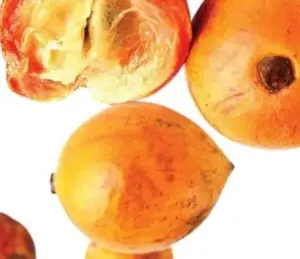
Intake of African cherry fruit during pregnancy supplements lacking nutrients as it contains a good amount of Fiber, Calcium, Zinc, Vitamins C, Nicotinamide, Pyridoxine, Thiamine, and more [1, 7] that support the health and growth of the baby. While the ascorbic acid in African cherry fruit boosts the immune system of pregnant women, Calcium helps their baby develop a strong bone.
PICKS FOR YOU:
- [Zobo Drink] Roselle Hibiscus Tea For Fertility: Emerging Benefits & Effect on Pregnancy
- Is Honeybush Tea In Pregnancy Safe? Checkout 4 Emerging Fertility Benefits
- 3 Emerging Bitter Leaf Benefits On Fertility, Pregnancy & Nursing Mothers
Additionally, a related study noted that the fruit is rich in natural antioxidants that combat oxidative stress, while the vitamin C and fiber contents of the fruit support nutrient absorption, and aid digestion respectively [2].
MUST READ: 6 Emerging Benefits of Tiger Nuts for pregnant women
The Nutritional Vitality of African Cherry During Pregnancy
The African Cherry, often cherished for its nostalgic tartness, is a nutritional powerhouse for the expectant mother. Beyond its seasonal appeal, this fruit provides a complex matrix of micronutrients that support the physiological demands of pregnancy [6] ,[7], [8], [9], [10], [11], [12], [13], [14].
1. Natural Defense Against Gestational Oxidative Stress
Pregnancy naturally increases oxidative stress within the body, which can impact cellular health [3, 4 , 2, 5].
The Science: African Cherries are exceptionally high in Vitamin C (Ascorbic Acid)—often higher than oranges. This potent antioxidant is essential for collagen synthesis, which supports the developing baby’s skin, bones, and connective tissues while protecting the mother’s immune system.
Human Benefit: Consuming these natural antioxidants helps mitigate “pregnancy brain” fog and fatigue by protecting neural pathways from oxidative damage.
2. Digestive Harmony and Glycemic Support
Many expectant mothers struggle with digestive sluggishness and the need for stable energy levels.
The Science: The fruit is a significant source of dietary fiber. Fiber slows the absorption of sugars into the bloodstream, which is a principled way to support metabolic health.
Human Benefit: This high fiber content helps alleviate common pregnancy-related constipation and promotes a feeling of fullness, which can assist in maintaining a healthy, steady weight gain throughout the trimesters.
3. Electrolyte Balance and Fluid Regulation
Swelling (edema) and muscle cramps are frequent challenges during the second and third trimesters.
The Science: African Cherries contain essential minerals, including Potassium and Magnesium. These electrolytes are critical for maintaining the body’s fluid balance and regulating nerve signals.
Human Benefit: Adequate potassium intake is a natural way to support healthy blood pressure levels and reduce the frequency of painful leg cramps that often disrupt sleep during pregnancy.
4. Bioavailable Calcium for Skeletal Support
As the fetal skeleton develops, the mother’s body requires an increased supply of calcium.
The Science: This fruit serves as a non-dairy source of Calcium. While it does not replace a prenatal vitamin, it acts as a bioavailable “booster” for bone density.
Human Benefit: Integrating African Cherry into your diet helps protect the mother’s bone mineral density while providing the raw materials necessary for the baby’s budding skeletal structure.
Side Effects & Safety Section
Acid Reflux: Due to its high acidity, consuming too many African cherries may trigger heartburn or acid reflux, especially in the third trimester.
Excess intake may cause other health concerns such as flatulence, diarrhea, and hypoglycemia, which retard the absorption of nutritious ingredients for diabetic subjects.
Sugar Content: While natural, the fruit does contain sugar. Women with Gestational Diabetes should monitor their intake to maintain stable blood glucose levels.
Pesticide Residue: Always wash the fruit thoroughly. Because they are often sold at open-market stalls, surface hygiene is critical to avoid foodborne illness
Takeaway
Incorporating African cherry fruit into a pregnancy diet offers a natural wealth of fiber, calcium, and Vitamin C—essential building blocks for fetal skeletal growth and maternal immune health.
Its potent antioxidant profile helps the body manage oxidative stress while naturally aiding digestion and nutrient absorption.
While African cherry supports healthy blood sugar and circulation as part of a balanced diet, it should be viewed as a nutritional aid rather than a replacement for medical treatment. Always consult your healthcare provider to ensure seasonal fruits align with your specific prenatal requirements.
