



Last Updated On April 26, 2026
Quick Summary: The Papaya Seed Paradox
- The Mechanism: Contains Benzyl isothiocyanate and polyphenols that neutralize free radicals.
- Fertility Role: May protect sperm DNA but acts as a traditional natural contraceptive in high doses.
- Key Benefit: Proven anti-parasitic properties and potent kidney protection.
- Safety Warning: Not recommended for couples actively trying to conceive due to potential “antifertility” effects.
Papaya seeds are a potent source of bioactive compounds that significantly influence systemic health and reproductive physiology. While they offer dense concentrations of antioxidants like flavonoids and polyphenols, their impact on fertility is historically complex. This guide explores the scientific mechanisms behind these seeds to determine their role in your wellness journey.
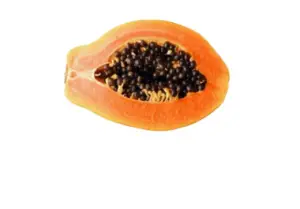
Biological Mechanisms: How Papaya Seeds Work
The potency of papaya seeds lies in their unique secondary metabolites. Research confirms they are rich in healthy fatty acids [1] and compounds that help decrease triglycerides and VLDL cholesterol, which specifically benefits those managing type 2 diabetes [2].
Core Bioactive Compounds
| Compound | Role |
|---|---|
| Flavonoids/Polyphenols | Antioxidant sperm DNA protection. |
| BITC | Isothiocyanate with potential cancer-fighting properties. |
| Fiber/Vitamins | Essential for digestive and immune system support. |
Papaya Seeds and Fertility: A Scientific Analysis
Potential Sperm DNA Protection
Papaya seeds contain vitamins A and C, which are antioxidants that may help protect reproductive cells from DNA alteration caused by free radicals [4], [5], [6]. This suggests they could offer defense against oxidative damage in the pre-conception phase.
The “Antifertility” Red Flag
Despite the antioxidant benefits, research highlights significant fertility concerns for those actively trying to conceive:
- Sperm Count Reduction: Animal studies indicate that seed extracts may lower sperm motility and count [7]. In high doses, it has been shown to cause azoospermia [8].
- Female Contraceptive Effect: Intake may serve as a potential birth control remedy by reducing progesterone levels and altering utero-ovarian tissue patterns in animal models.
ALSO READ: 7 fertility fruits to increase sperm count, motility, morphology
7 Key Health Benefits of Papaya Seeds
- Eliminate Stomach Parasites: Research confirms their effectiveness against hookworm and other parasites [17], [19].
- Fight Inflammation: Helps lower pain and swelling caused by chronic inflammation [10].
- Antioxidant Boost: Increases body-wide protection against cell-damaging free radicals [12].
- Heart Health: High fiber content helps lower blood pressure and cholesterol levels [15].
- Antifungal Defense: Effective against yeast infections and other fungi strains [16].
- Kidney Protection: May shield the kidneys from toxins and improve overall function [20].
- Cancer-Fighting Properties: Studies suggest they may slow the growth of certain cancer cells, including prostate cancer [21], [22].
Safety, Side Effects, and Dosage
Strict Warning: Papaya seeds contain benzyl isothiocyanate. While beneficial in moderation [24], excessive amounts may cause DNA damage to healthy cells [27], [28].
How to Eat (Moderation is Key)
- Eat fresh seeds with water or juice.
- Grind into powder for smoothies or salads.
- Papaya seed and honey combo: A traditional elixir used to eliminate stomach parasites [9].
Papaya Seeds & Fertility FAQ
Q: Can papaya seeds truly serve as a natural contraceptive?
A: Traditionally, yes. Research in animal models shows that high doses of papaya seed extract can cause azoospermia (zero sperm count) and lower progesterone in females. While not a substitute for medical birth control, this “antifertility” effect is why they are often avoided by those seeking to conceive [1.3].
Q: Do papaya seeds interfere with testosterone?
A: Some studies suggest that the alkaloid compounds in the seeds can disrupt the hormone signaling pathway (GnRH), which may lead to reduced testosterone secretion and lower sperm quality [1.1].
Q: Is it safe to eat a few seeds accidentally while trying to conceive?
A: Accidental consumption of a few seeds in a ripe papaya is generally low-risk. The “red flag” concerns primarily apply to medicinal doses or concentrated extracts. However, for maximum peace of mind, many practitioners recommend avoiding the seeds entirely during the conception window.
Q: Why is “unripe” papaya mentioned more often than the seeds?
A: Unripe papaya contains high levels of latex and papain, which can trigger uterine contractions. The seeds are viewed differently; they are focused on more for their long-term impact on hormone balance and sperm production rather than immediate contractions [3.2].
Conclusion
Papaya seeds excel as anti-parasitic and kidney-protective agents, but their “antifertility” potential cannot be ignored. While they protect reproductive DNA from oxidative stress, their traditional use as a contraceptive suggests that those actively trying to conceive should exercise extreme caution or seek alternative antioxidant sources during their conception window..
