



Last Updated On April 12, 2026

In the high-pressure landscape of modern “hustle culture,” your body is often forced to make a silent, biological trade-off that prioritizes survival over reproduction. Known scientifically as the “Progesterone Steal” (or the Pregnenolone Steal), this mechanism occurs when chronic stress signals the adrenal glands to hijack the raw materials intended for progesterone to produce cortisol, the primary stress hormone.
By diverting these essential building blocks to meet the demands of a relentless lifestyle, the body inadvertently triggers hormonal imbalances that lead to cycle irregularities, early reproductive aging, and diminished fertility. This post explores how reclaiming your hormonal balance requires more than just supplements—it necessitates a fundamental shift in how we manage the relationship between our nervous system and our endocrine health.
Understanding Progesterone and Its Role
Progesterone does much more than keep things in balance during the menstrual cycle. Produced mainly in the ovaries after ovulation, this hormone prepares the uterine lining for potential pregnancy and influences mood, sleep, and skin health.However, stress can significantly disrupt progesterone production. Checkout: 13 Essential Oils for PMS and Menstrual Cramps to Soothe Your Cycle.
Under normal conditions, the corpus luteum increases progesterone production after ovulation. If pregnancy occurs, progesterone levels stay elevated to maintain it. Without pregnancy, levels drop, triggering menstruation. Chronic stress disrupts this natural rhythm through “cortisol steal”—where the body prioritizes cortisol production over progesterone. 5 Excellent herbs for hormonal imbalance.
The 2025 research makes it clear: Progesterone is the first casualty of a high-stress environment. You cannot supplement your way out of a Progesterone Steal without first signaling ‘safety’ to your nervous system.
When cortisol dominates, it reduces progesterone’s calming effect on GABA receptors in the brain. This leads to:
- Mood swings and anxiety
- Sleep difficulties
- Disrupted serotonin and dopamine levels
Since estrogen and progesterone work together to maintain reproductive health, high cortisol and low progesterone allow estrogen to become dominant. This imbalance can cause heavy bleeding, painful periods, and other reproductive symptoms.
The sharp drop in progesterone after childbirth may contribute to postpartum mood changes, while hormone fluctuations during menopause can intensify mood challenges. Understanding how stress affects hormone production highlights the importance of managing stress through lifestyle adjustments to support both reproductive health and emotional well-being.
The Impact of Stress on Hormonal Balance
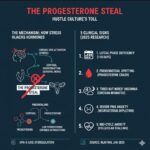
Chronic stress disrupts hormonal balance through cortisol steal, where the body shifts resources to produce cortisol at the expense of other hormones like progesterone. This process diverts cholesterol, the building block for hormone production, primarily to cortisol manufacturing.
When progesterone levels decline, you may experience increased irritability and anxiety as the brain’s calming signals diminish. Progesterone enhances GABA activity, the neurotransmitter that promotes relaxation and emotional balance. Without adequate progesterone, anxiety can increase, sleep becomes difficult, and mood swings intensify.
In women, this hormonal disruption can cause:
- Irregular menstrual cycles
- Worsened PMS symptoms
- Fertility challenges
The cortisol-dominant environment allows estrogen to go unchecked, leading to heavy periods, fibroids, and disrupted ovulation.
Long-term stress creates a cascade of physical responses throughout the body. High cortisol levels correlate with increased abdominal fat, weakened immune function, and unstable blood sugar levels. While this stress response serves survival purposes, it significantly impacts long-term health, when sustained leads to a stress induced reproductive dysfunction. Managing stress through mindfulness practices, regular rest periods, and emotional health support helps restore hormonal balance and overall well-being.
Hustle Culture and Its Effects on Reproductive Health
Today’s hustle culture, which rewards constant productivity and ambition, creates perpetual stress that significantly impacts reproductive health. The pressure to maintain packed schedules and endless achievements generates chronic stress that disrupts hormonal balance.
This culture-induced stress elevates cortisol production while suppressing progesterone levels, leading to emotional instability and irregular ovulation. Irregular menstrual cycles become warning signs of hormonal confusion as the body prioritizes surviving daily stress over maintaining fertility.
For many women, this lifestyle contributes to fertility challenges through disrupted ovulatory patterns, reducing the regularity of egg release and decreasing pregnancy likelihood. The combination of elevated cortisol and diminished progesterone creates conditions for estrogen dominance, intensifying symptoms like:
- Heavy periods
- Fibroids
- Severe PMS
These reproductive issues often extend to broader health concerns, including mood irregularities and potential chronic conditions that affect long-term well-being.
5 Signs Your Body is Navigating a “Progesterone Steal”
When your body enters survival mode, it doesn’t just stop producing progesterone; it shifts its metabolic resources. Because both cortisol and progesterone share the same “mother hormone”—pregnenolone—the body will always prioritize the hormone that keeps you alive (cortisol) over the one that helps you reproduce (progesterone).
Here are the clinical signs that your “hustle culture” lifestyle may be depleting your reproductive reserves:
- Shortened Luteal Phase: If the time between your ovulation and your period is less than 10 days, it is a primary indicator that your progesterone levels are insufficient to sustain a healthy uterine lining.
- Premenstrual Spotting: Seeing brown spotting 2–3 days before your actual flow begins is often a sign that progesterone is dropping too early due to adrenal demand.
- The “Tired but Wired” Phenomenon: Progesterone is a natural thermogenic and anxiolytic (anti-anxiety). When it’s low, you may feel exhausted during the day but find your brain racing at 10:00 PM as cortisol spikes.
- Severe PMS & Mood Swings: Progesterone converts into a neurosteroid called allopregnanolone, which calms the brain. Without it, irritability and “PMS rage” become significantly more intense.
- Mid-Cycle Anxiety: Feeling a sudden surge of unexplained anxiety or heart palpitations during your fertile window can indicate that stress is interrupting the delicate LH surge required for ovulation.
Breaking free from hustle culture’s grip requires establishing boundaries, prioritizing self-care, and making deliberate choices that foster balance rather than burnout. In a world that glorifies constant productivity, choosing to slow down, embrace rest, and attend to emotional wellness becomes essential for nurturing reproductive health and overall well-being.

Strategies for Managing Stress and Supporting Hormonal Health
Supporting hormonal health doesn’t require a complete life overhaul—strategic adjustments can effectively reduce stress and restore balance.
Mindfulness Practices
Incorporate meditation, yoga, and deep breathing into your daily routine. These practices counteract cortisol production and activate the parasympathetic nervous system. Simple techniques like square breathing—inhaling for four counts, holding for four, exhaling for four, and holding for four—can significantly reduce stress levels.
Nutritional Support
Focus on balanced meals with healthy fats, lean proteins, and whole grains. Omega-3-rich foods like salmon, walnuts, and flaxseeds support brain health and stress resilience. Complex carbohydrates from sweet potatoes and whole grains help stabilize blood sugar and prevent cortisol spikes.
Key nutrients include:
- Magnesium (found in leafy greens, nuts, and seeds) for muscle relaxation and nervous system calming
- Vitamin B6 (in bananas and chickpeas) for neurotransmitter regulation and mood support
Regular Movement
Consistent, moderate exercise releases tension and increases endorphins while decreasing stress hormones. This doesn’t require intense workouts—brisk walks, dance classes, or home stretching routines can be effective when done regularly.
Quality Sleep
Prioritize seven to nine hours of quality sleep nightly to support recovery, immune function, and hormone regulation. Establish a consistent bedtime routine free from digital distractions to signal your body it’s time to unwind.
Boundary Setting
Protect your time and energy by saying no when necessary. Make space for activities that bring fulfillment—meaningful connections, personal passions, and joy-inspiring pursuits.
By embracing these mindful practices, nutritious choices, and restful routines, you can reduce stress, restore hormonal harmony, and nurture a balanced, healthy life.

Recognizing the intricate dance between stress and hormonal balance is key to nurturing overall well-being. By embracing mindful practices and prioritizing self-care, you can foster a harmonious environment for both body and mind, paving the way for a healthier, more balanced life.
Conclusion
“Hustle culture” creates a physiological crisis where the body sacrifices reproductive health for survival. This biological trade-off, known as the Progesterone Steal, occurs when chronic stress forces the adrenal glands to hijack pregnenolone—the precursor to progesterone—to manufacture cortisol.
According to 2025 research, this diversion leads to luteal phase deficiencies, estrogen dominance, and irregular ovulation. By understanding the clinical signs, such as premenstrual spotting and mid-cycle anxiety, women can implement nervous system regulation to signal “safety” to their endocrine system, stopping the steal and restoring hormonal vitality.
