



During pregnancy, the foods you choose can impact both your well-being and your baby’s development. Taking Passion fruit during pregnancy offers a wide range of benefits due to its variety of essential nutrients that support health throughout these important months.
Scientifically, its elevated Vitamin C concentration (30mg/100g) is a vital catalyst for absorbing non-heme iron, directly combating pregnancy-induced anemia as blood volume expands. Furthermore, its exceptional dietary fiber content (10.4g/100g) prevents gestational constipation by optimizing gut motility. Rich in potassium and magnesium, the fruit helps regulate maternal blood pressure and alleviates nocturnal leg cramps. Crucially, its provitamin A and antioxidant profile safeguard the fetus from oxidative stress, supporting healthy embryonic vision, immune function, and cellular differentiation for optimal birth outcomes.
Popular Picks:
- 4 Impressive benefits of eating cocoyam during pregnancy
- How to use Mangosteen for fertility, Impressive Benefits during pregnancy
- Eating cereal during pregnancy: Top 10 Picks Rich in Folic, Fiber, and Iron
Nutritional Profile of Passion Fruit (Per 100g)
| Nutrient | Amount | Prenatal Benefit |
|---|---|---|
| Vitamin C | 30 mg | Enhances iron absorption & immune defense. |
| Dietary Fiber | 10.4 g | Prevents gestational constipation. |
| Vitamin A | 1272 IU | Supports fetal vision and cell growth. |
| Potassium | 348 mg | Regulates fluid balance & reduces leg cramps. |
| Magnesium | 29 mg | Promotes muscle relaxation and bone health. |
Major Nutrients in passion fruit source:USDA
While many fruits offer general health benefits, Passion Fruit (Passiflora edulis) stands out as a potent nutritional ally due to its exceptional concentration of ascorbic acid (Vitamin C), dietary fiber, and provitamin A.
10 Benefits of Passion Fruit During Pregnancy
Far from being just a tropical treat, passion fruit serves as a functional food that aids in non-heme iron absorption and helps manage common gestational challenges like constipation and oxidative stress. By integrating this fruit into a balanced prenatal diet, expectant mothers can leverage its unique phytochemicals to fortify their immune system and support healthy birth outcomes, all backed by the rigor of nutritional science.
1. Nutrient-Rich Boost
Passion fruit provides essential nutrients including vitamins A, C, B2, B3, B6, and important minerals like iron, magnesium, and potassium that support overall health during pregnancy. According to data from FDA, per 100 grams, passion fruit contains:
- 30mg Vitamin C (over 50% of daily needs)
- 348mg Potassium
- 1.6mg Iron
- 29mg Magnesium
- 10.4g Fiber
The impressive fiber content helps prevent constipation, a common pregnancy concern, while promoting healthy digestion. High vitamin C levels strengthen the immune system, reducing infection risk. The fruit’s antioxidants help combat oxidative stress, which may lower the risk of complications like preeclampsia.
Iron in passion fruit supports the increased blood volume needed during pregnancy, improving oxygen delivery to both mother and baby. Potassium helps regulate blood pressure and supports heart health. The fruit’s natural compounds may also help with sleep quality.
Passion fruit benefits skin health by providing vitamins that support elasticity and repair. As a low-glycemic fruit, it provides steady energy without causing blood sugar spikes, making it suitable for managing glucose levels during pregnancy.
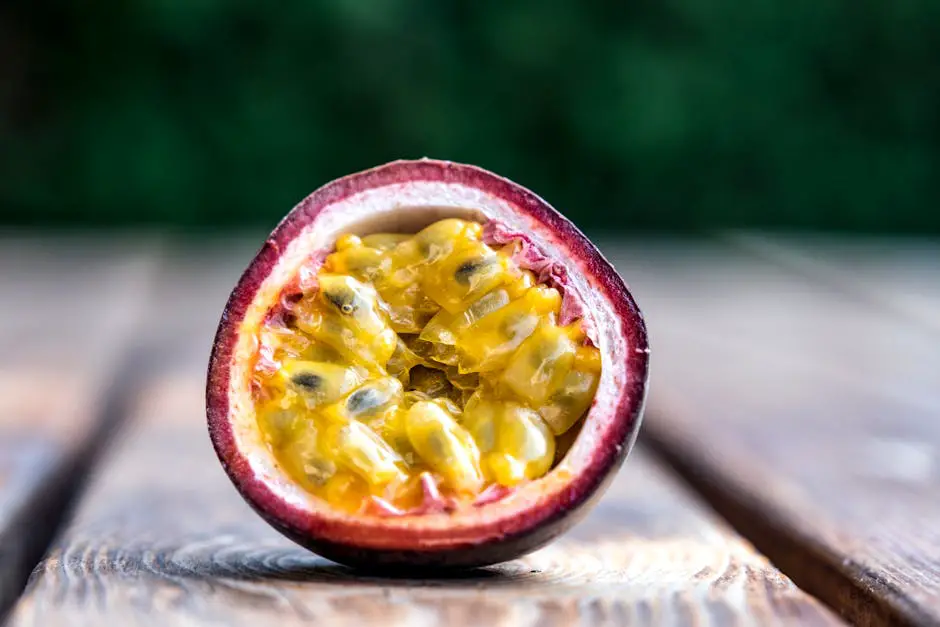
2. Immunity Enhancer
Your immune system works harder during pregnancy to protect both you and your developing baby. Passion fruit’s high vitamin C content acts as a natural immune booster.
Vitamin C serves as a powerful antioxidant that helps fight infections and supports tissue repair. The antioxidants work together to strengthen your body’s defenses and reduce harmful free radical damage.
Passion fruit also enhances iron absorption when eaten with iron-rich foods. This is particularly helpful during pregnancy when your body needs more iron to support increased blood volume. Better iron absorption leads to improved oxygen transport and energy levels.
These immune-supporting benefits extend to your baby as well, helping create a healthy environment for growth and development. Passion fruit can be easily added to smoothies, salads, or enjoyed fresh as a nutritious snack.
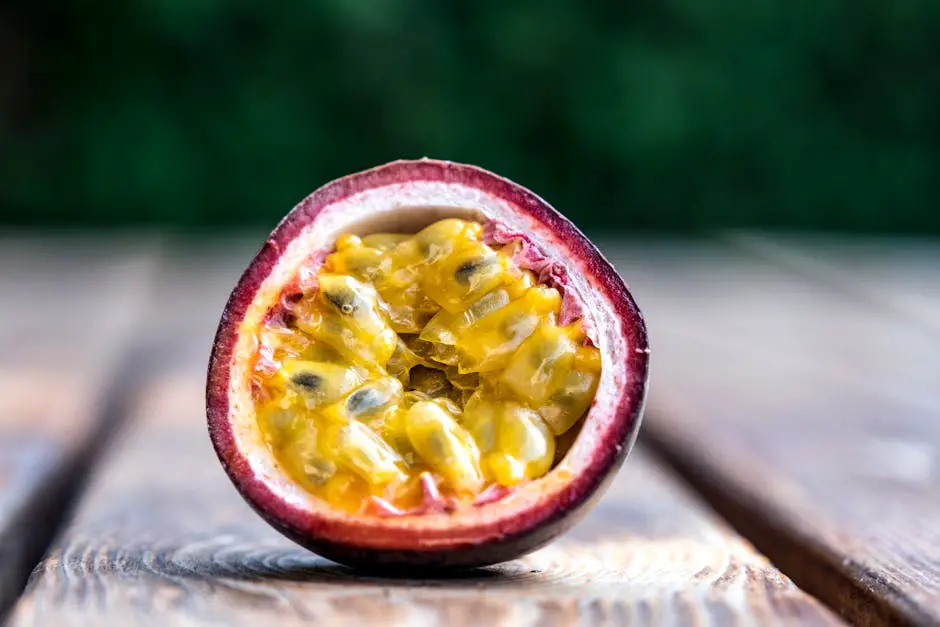
3. Antioxidant Power
Passion fruit contains abundant antioxidants, including carotenoids and polyphenols, which protect your body from cellular damage during pregnancy.
Antioxidants neutralize free radicals—unstable molecules that can cause oxidative stress linked to chronic health conditions. This protection becomes especially important during pregnancy, as oxidative stress can contribute to complications like preeclampsia.
The antioxidants in passion fruit create a protective effect for both mother and baby, supporting cellular health and immune function. They also contribute to healthy skin and overall well-being throughout pregnancy.
Including passion fruit in your daily diet provides both great taste and important cellular protection, supporting your body’s natural defense systems during this important time.
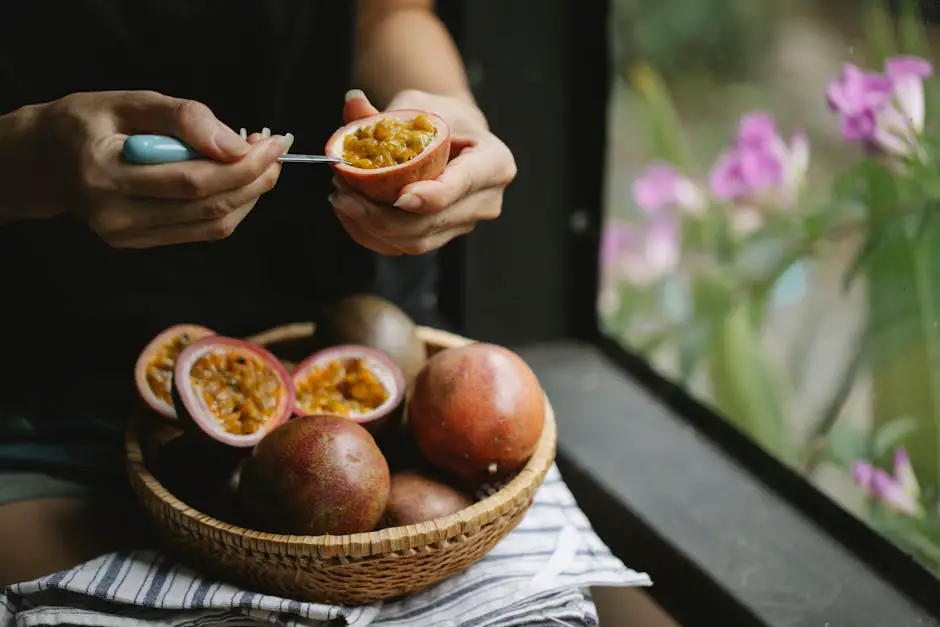
4. Heart Health Support
Passion fruit supports cardiovascular health during pregnancy through several key nutrients. Its fiber content helps lower bad cholesterol (LDL) while supporting good cholesterol (HDL) levels by binding to cholesterol and helping remove it from the body.
The potassium in passion fruit helps regulate blood pressure by acting as a natural vasodilator, reducing tension in blood vessels and improving circulation. This mineral also helps balance sodium levels, supporting heart health and reducing hypertension risk.
Antioxidants like flavonoids in passion fruit help reduce inflammation and support blood vessel health. This ensures good circulation and adequate oxygen delivery to both you and your baby.
Whether enjoyed fresh, in smoothies, or as a salad addition, passion fruit provides heart-healthy benefits that support your cardiovascular system throughout pregnancy.
Photo by pesce on Unsplash
5. Digestive Aid
Many expectant mothers experience digestive changes during pregnancy. Passion fruit’s high dietary fiber content makes it an excellent natural digestive aid.
The fiber in passion fruit helps prevent pregnancy-related constipation by promoting regular bowel movements. Soluble fiber supports healthy gut bacteria, contributing to a balanced microbiome and better overall digestive health.
This fiber content also helps reduce bloating and discomfort that can occur with dietary changes during pregnancy. By supporting a healthy gut environment, passion fruit enhances nutrient absorption, ensuring both you and your baby benefit from the nutritious foods you eat.
The combination of soluble and insoluble fibers provides comprehensive digestive support—softening stools for easier passage while feeding beneficial intestinal bacteria. Adding passion fruit to smoothies or eating it fresh offers a delicious way to support digestive comfort.
6. Fertility and Reproductive Health
Passion fruit contains antioxidants and nutrients that may support reproductive health. The antioxidants like vitamin C and beta-carotene help reduce oxidative stress in reproductive cells, which can impact fertility by affecting egg and sperm quality.
For women, passion fruit provides folate, which is essential for proper cell division and DNA synthesis. Folate supports healthy fetal development and reduces the risk of neural tube defects. It also helps regulate hormonal balance, supporting regular menstrual cycles and healthy ovulation.
Men may benefit from passion fruit’s vitamin C content, which supports immune function and helps protect sperm from oxidative damage. The fruit also contains small amounts of zinc, which contributes to hormone production, including testosterone.
Adding passion fruit to your diet provides a tasty way to include nutrients that support reproductive health, whether you’re trying to conceive or already expecting.
7. Pregnancy Ally
Passion fruit serves as an excellent source of folate (vitamin B9), a crucial nutrient during pregnancy. Folate supports the synthesis of DNA and RNA, which are essential for rapid cell growth during fetal development.
During pregnancy, your body’s folate needs increase significantly. Passion fruit helps meet this demand naturally. Adequate folate intake is particularly important in early pregnancy for proper neural tube development, significantly reducing the risk of neural tube defects affecting your baby’s brain and spinal cord.
Folate also supports your body’s increased blood cell production during pregnancy, working alongside iron to help transport oxygen effectively to both you and your baby.
Passion fruit can be enjoyed fresh, blended into smoothies, or used as a topping for yogurt, providing both great taste and essential pregnancy nutrition. This makes it an ideal choice for expectant mothers seeking both flavor and important nutrients.
7. Natural Anti-Inflammatory
During pregnancy, your body undergoes significant physiological changes that can lead to increased inflammation. Passion fruit offers natural anti-inflammatory properties through its rich array of antioxidants, including flavonoids and alkaloids, which help reduce inflammatory markers in the body.
These anti-inflammatory benefits can be particularly helpful for conditions like arthritis that may worsen during pregnancy. The natural compounds in passion fruit work to reduce swelling and ease joint pain, providing relief without relying on medications that may not be suitable during pregnancy. This helps you stay active and mobile throughout your pregnancy journey.
The anti-inflammatory properties also extend to digestive health, helping soothe gastrointestinal discomfort that’s common during pregnancy. By including passion fruit in your diet, you’re taking a natural approach to managing inflammation while enjoying its delicious tropical flavor.
Whether you eat it fresh, blend it into smoothies, or use it as a topping, passion fruit easily fits into your daily routine while supporting your body’s comfort and well-being.
Photo by pesce on Unsplash
9. Blood Sugar Regulation
Managing blood sugar levels becomes increasingly important during pregnancy, especially for preventing gestational diabetes. Passion fruit is a naturally low-glycemic fruit that can help support healthy blood sugar levels through its ability to enhance insulin sensitivity.
During pregnancy, hormonal changes can sometimes lead to insulin resistance, making it harder to maintain stable blood sugar levels. Passion fruit contains beneficial phytochemicals, antioxidants, and fiber that work together to regulate glucose metabolism. The fiber content is particularly valuable as it slows sugar absorption into your bloodstream, preventing the spikes that often lead to energy crashes.
The fiber in passion fruit also supports gut health, which is closely connected to overall metabolic health and insulin sensitivity. Despite being naturally sweet, passion fruit’s low glycemic index means it releases sugars slowly, providing sustained energy without dramatic fluctuations.
Including passion fruit in your daily routine—whether in smoothies, as a snack, or with meals—allows you to enjoy its delightful flavor while supporting your body’s metabolic needs and helping maintain balanced blood sugar levels throughout your pregnancy.
10. Skin and Eye Health
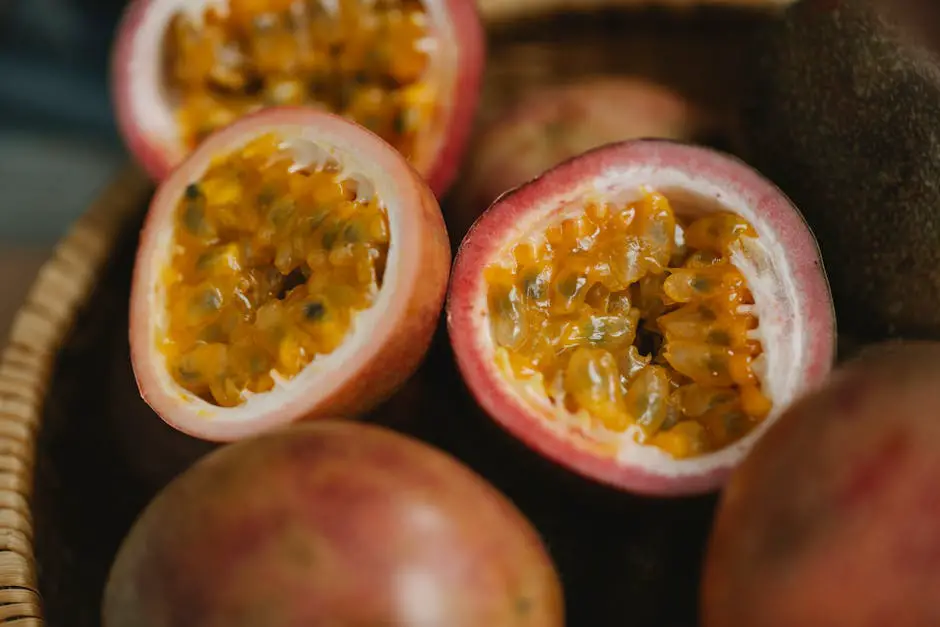
Passion fruit provides excellent support for both skin and eye health during pregnancy through its rich content of vitamins A and C, plus powerful antioxidants including carotenoids.
Pregnancy often brings hormonal changes that can affect your skin’s texture and appearance. The vitamin A in passion fruit supports skin regeneration and repair, helping maintain skin elasticity and hydration. The antioxidants, particularly carotenoids, protect against free radical damage and oxidative stress that can contribute to premature aging.
For eye health, vitamin A and carotenoids play essential roles in protecting vision and reducing risks of conditions like night blindness. These nutrients help maintain the mucous membranes that line your eyes, keeping them properly lubricated and functioning well. The antioxidants also shield against oxidative damage that can contribute to age-related eye problems.
You can easily incorporate passion fruit into your diet by adding it to yogurt, blending it into smoothies, or eating it fresh. Each serving supports your skin and eye health from within, helping you maintain vitality throughout your pregnancy and beyond.
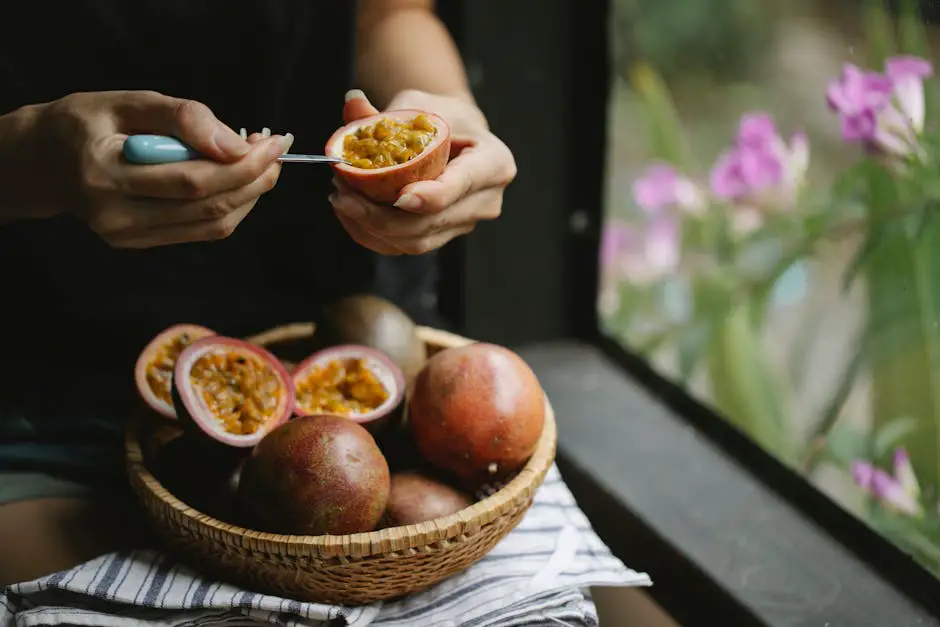
As you enjoy passion fruit’s vibrant taste, remember its most significant contribution: nourishing both you and your baby with vital nutrients during this important time. This tropical fruit enriches your diet while supporting the health and energy you need for the journey ahead.
Safety Concerns & Clinical Precautions
While passion fruit is generally recognized as safe (GRAS) by the FDA and international health bodies, there are specific clinical nuances that a pregnant woman should consider:
- Latex-Fruit Syndrome: Women with a known latex allergy should exercise caution. Passion fruit contains certain proteins similar to those found in natural rubber latex, which can trigger an allergic reaction (cross-reactivity).
- Gestational Diabetes (GDM) Management: While passion fruit has a relatively low Glycemic Index (GI), it does contain natural sugars. Mothers managing GDM should monitor portions to maintain stable blood glucose levels, ideally consuming the fruit with a protein or healthy fat to slow sugar absorption.
- Sedative Properties: The fruit and its leaves contain medicinal alkaloids (like harman) that have a mild sedative effect. While the fruit pulp is safe in culinary amounts, expectant mothers should avoid high-concentration passionflower supplements or teas, as these can potentially stimulate uterine contractions [1].
- Hygiene & Toxoplasmosis: Like all fresh produce, the wrinkled skin of passion fruit can harbor soil-borne bacteria or parasites. It is essential to wash the outer rind thoroughly before cutting to prevent cross-contamination to the pulp.
Conclusion
Taking Passion fruit during pregnancy is more than a flavorful addition to a pregnancy diet; it is a nutrient-dense “super-ally” that addresses several common prenatal challenges. From its high fiber content—which naturally combats pregnancy-related constipation—to its rich profile of Vitamin C and folate (B9), the fruit supports both maternal immunity and fetal tissue growth. By focusing on whole, unprocessed fruit, mothers can enjoy a low-glycemic snack that provides essential minerals like magnesium and potassium without the sugar spikes often found in processed juices.
