



Last Updated On April 19, 2026
In the diverse landscape of African botanicals, few plants have captured as much attention recently as Goron Tula (Azanza garckeana). Often referred to as the “Miracle Fruit,” “Snot Apple,” or “African Chewing Gum,” this indigenous fruit from the Malvaceae family is much more than a traditional snack. Across Nigeria and many parts of Southern Africa, it has become a cornerstone of folk medicine for addressing reproductive challenges.
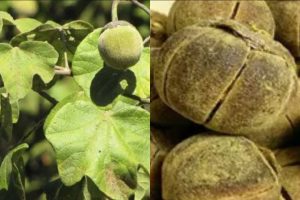
Goron Tula for Fertility: 5 Sexual & Pregnancy Facts
As we explore the science behind these cultural claims, it is important to look at Goron Tula through a principled lens—understanding its unique phytochemical makeup and how these compounds interact with the human reproductive system.
The Nutrient Profile: What’s Inside the Miracle Fruit?
To understand why Goron Tula is linked to fertility, we must first look at its chemical blueprint. It is not just a source of calories; it is a dense delivery system for micronutrients and bioactive compounds.
Vital Phytochemical Compounds
According to phytochemical analysis, Goron Tula is rich in secondary metabolites that play a role in cellular protection and hormonal signaling:
Alkaloids (3.7%): Often associated with antimicrobial and pain-relieving properties.
Flavonoids (2.6%): Potent antioxidants that support vascular health and blood flow.
Saponins (1.7%): Compounds that can influence cholesterol levels and immune response.
Phenols (1%): Vital for combating oxidative stress within the reproductive tract.
Arginine: An amino acid (protein building block) that is a precursor to nitric oxide, essential for blood vessel dilation and circulation.
Essential Vitamins & Minerals
Beyond phytochemicals, the fruit contains a balanced spectrum of minerals that serve as co-factors for reproductive enzymes:
Zinc & Magnesium: The “power duo” for sperm production and testosterone regulation.
Iron & Vitamin C: Crucial for blood formation and the absorption of nutrients.
Calcium & Potassium: Essential for muscle contraction and maintaining electrolyte balance during pregnancy.
5 Facts: Impact on Fertility, Sex Health, and Pregnancy
1. Enhancing the Chance of Conception
Goron Tula is traditionally used to “prime” the body for pregnancy. It is believed to support the fertilization process by optimizing the hormonal environment. By providing a rich source of micronutrients, it may help improve egg quality in women, making the follicles stronger and more resilient. Stronger eggs are more likely to be successfully fertilized and lead to stable implantation.
2. Mitigation of Oxidative Stress
Infertility is often linked to an imbalance between reactive oxygen species (ROS) and the body’s natural antioxidant defenses. Goron Tula’s high concentration of polyphenols and carotenoids acts as a shield. These antioxidants neutralize free radicals that might otherwise damage delicate sperm and egg cells, ensuring that the genetic material remains protected during the conception window.
3. Support for Hormonal Balance and Stress Regulation
High stress levels trigger a “hormonal cascade” where cortisol and prolactin can suppress reproductive hormones like estrogen and progesterone. Goron Tula is believed to have adaptogenic-like qualities that help checkmate these fluctuations. Stable hormones are not only necessary for regular ovulation but are also critical in the early stages of pregnancy to reduce the risk of early miscarriage.
4. Sexual Vitality and Natural Lubrication
One of the most famous attributes of Goron Tula is its role as a natural aphrodisiac.
For Women: It is highly regarded for its ability to eliminate vaginal dryness by increasing natural lubrication and “wetness,” which improves comfort and pleasure.
For Men: The presence of Arginine helps improve blood flow to the extremities, which can support stronger erections and better sexual stamina.
5. Sperm Quality and Concentration
Male fertility relies heavily on the “mineral balance” within the body. The combination of Zinc, Magnesium, and Calcium found in Goron Tula assists in the production of high-quality sperm cells. These minerals help improve sperm concentration and motility, while the antioxidants protect the sperm from oxidative damage during their journey.
Quick Reference: Goron Tula Nutritional Summary
| Nutrient Category | Key Components | Primary Fertility Benefit |
|---|---|---|
| Phytochemicals | Flavonoids, Phenols, Alkaloids | Protects egg and sperm cells from oxidative damage. |
| Proteins | Arginine | Precursor to nitric oxide; boosts blood flow to reproductive organs. |
| Minerals | Zinc, Magnesium, Calcium | Improves sperm concentration and regulates reproductive hormones. |
| Vitamins | Vitamin C | Assists in iron absorption and strengthens immune health. |
| Fiber | Soluble Fiber | Helps stabilize blood sugar (critical for PCOS/Insulin balance). |
Safety Warnings and Side Effects
While Goron Tula is a natural fruit, its chemical potency requires caution.
- Pregnancy Precautions: While moderate intake may help stabilize hormones, excessive consumption during pregnancy is discouraged. Compounds like Saponins and Tannins, in very high doses, can potentially interfere with nutrient absorption or stimulate the uterus, which could lead to complications.
- Antinutrients: Tannins and Saponins are “antinutrients” that can bind to minerals like calcium and iron, preventing your body from absorbing them properly.
- Drug Interactions: If you are on medication for blood pressure or diabetes, consult your doctor. The natural ability of Goron Tula to influence blood flow and sugar levels could interfere with your prescription.
- Allergies: As with any fruit, allergic reactions can occur. Start with small amounts to monitor your body’s response.
How to Prepare Goron Tula Syrup
If you prefer a concentrated form, you can create a syrup at home:
1. Clean: Wash dry Goron Tula fruits thoroughly in cold water.
2. Soak: Place cleaned fruits in boiling water and let them soak for 20 minutes to soften.
3. Boil: Open the fruits, place them in a pot with fresh water, and simmer on low heat for about one hour until the water thickens into a syrup.
4. Strain: Sieve the mixture to extract the syrup.
5. Store: Let it cool and store in a clean container. Many people take a tablespoon or a small cup in the morning and evening.
The Takeaway
Goron Tula is a remarkable botanical that bridges the gap between traditional African medicine and modern nutritional interest. Its impact on fertility stems from its ability to protect cells from oxidative damage and provide the minerals necessary for egg and sperm health.
Regarding pregnancy, it serves as a supportive nutrient source in moderation but requires strict portion control to avoid the risks associated with its antinutrient content.
Ultimately, Goron Tula is a supportive tool in your wellness kit—best used as a complement to a balanced diet and under the guidance of a health professional if you are managing specific medical conditions.
You may like
Tigernuts for Men: 5 Science-backed Potential Benefits
4 Impressive benefits of eating cocoyam during pregnancy
Aloe Vera for Fertility: A friend Or foe? What Studies Say
