



Last Updated On April 12, 2026
The synergistic blend of okra, clove, and cinnamon leverages high mucilage content and potent antioxidants to support reproductive health.
Research suggests these ingredients improve insulin sensitivity and reduce oxidative stress, two critical factors for hormonal balance.
This guide explores the scientific evidence behind this tonic and the correct preparation methods.
While ‘okra water‘ has gone viral for its health benefits, the combination of okra, cloves, and cinnamon offers a specific nutritional profile that supports reproductive wellness in women. This tonic isn’t a magic cure, but a concentrated source of folate, antioxidants, and anti-inflammatory compounds that prime the body for conception.
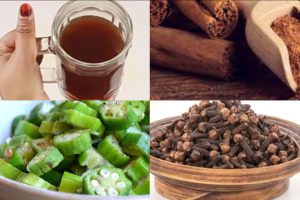
How To Prepare Okra water with clove and cinnamon for a better Reproductive Support
To maximize the bio-availability of the antioxidants in these ingredients, preparation should be precise. This tonic combines the mucilage (fiber) from okra, the cinnamaldehyde from cinnamon, and the eugenol from cloves.
Step-by-Step Preparation
- Prepare the Spices: Boil 2 cups of filtered water with 1 cinnamon stick and 3–5 whole cloves for 5 minutes. Let this “spice tea” cool to room temperature.
- Prep the Okra: Wash 3–4 medium okra pods. Slice them thinly to expose the interior seeds and mucilage.
- The Overnight Infusion: Place the sliced okra into the cooled spice tea. Cover and let it sit at room temperature (or in the fridge) for 8–12 hours.
- Strain and Serve: In the morning, strain the mixture. Drink the infused water on an empty stomach for optimal absorption.
CHECKOUT: How to prepare cloves and cinnamon water.
Why This Trio Works: Nutrient Breakdown
Now, let’s look at the specific roles these ingredients play in our reproductive health.
| Component | Nutrient | Fertility Impact | Evidence |
|---|---|---|---|
| Okra | Folate (B9) | Supports DNA synthesis in eggs & prevents defects. | CDC Data |
| Okra | Myo-inositol | Hormone balance & ovulation weight support. | PMC Study |
| Clove | Eugenol | Reduces pelvic inflammation & supports tissues. | PubMed |
| Clove | Antioxidants | Protects the follicular microenvironment. | NIH Bio |
| Cinnamon | Cinnamaldehyde | Insulin sensitivity, helps regularize PCOS cycles. | NLM Research |
| Cinnamon | Magnesium | Manages cortisol (stress) to protect ovulation. | ScienceDirect |
Note: Scroll horizontally on mobile devices to see full table data.
Science-Backed Benefits of Okra, Clove, and Cinnamon for Reproductive Wellness
Discover how the nutrient-dense trio of okra, clove, and cinnamon supports hormonal balance and egg quality. Our evidence-based guide explores the verified benefits of this infusion for women’s reproductive health.
Okra supports healthy fetal development

Okra is a rich source of polyphenols, a compound beneficial to reproduction; its extract can aid the development of a healthy fetus, and supplies bio-nutrients needed to improve egg viability.
Daily intake of an okra-based diet is most beneficial to women who are Pregnant women due to its rich folate content to lower the risk of neural tube defects during pregnancy.
Cloves: Beyond Antimicrobial Protection
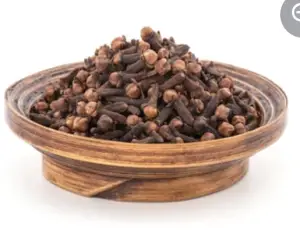
Cloves (Syzygium aromaticum) serve as a potent biological shield for the reproductive system. Research highlights their high concentration of eugenol, a compound with documented antimicrobial and antifungal properties. In the context of fertility, this helps maintain a healthy vaginal and uterine microbiome by countering pathogenic microorganisms that can trigger pelvic inflammatory issues—a leading cause of tubal factor infertility. [Reference study 1 , Reference study 2].
Furthermore, cloves act as a natural circulation booster. By improving blood flow to the pelvic organs, they support the oxygenation of reproductive tissues and may naturally enhance libido (sexual desire) by supporting the endocrine system’s response to arousal.
Cinnamon: A Metabolic Regulator for Ovulation

The impact of Cinnamon (Cinnamomum cassia/verum) on female fertility is primarily driven by its ability to improve insulin sensitivity. For women with metabolic imbalances or PCOS (Polycystic Ovary Syndrome), insulin resistance often disrupts the hormonal signaling required for regular ovulation.
Clinical trials have demonstrated that cinnamon helps stabilize blood glucose levels, which in turn helps lower androgen levels and encourages the regular release of a healthy egg. Its rich profile of polyphenols further protects the ovaries from the “oxidative stress” that can lead to premature aging of oocytes (eggs).
Polyphenols: Cellular Protection for Both Partners
The true power of the Okra-Clove-Cinnamon water combo lies in its combined antioxidant load. These ingredients are packed with polyphenols that neutralize free radicals. In a reproductive context, this is vital for:
- Protecting Oocyte Quality: Reducing damage to the DNA within the egg.
- Sperm Viability: While often discussed for women, the antioxidants in this tonic also support male reproductive health by protecting sperm cells from lipid peroxidation, ensuring better motility and DNA integrity.
Checkout:10 Emerging scent leaf health benefits, fertility Impacts & side effects
Critical Safety & Medical Disclaimer
While these natural ingredients are generally safe in culinary amounts, they are not a replacement for clinical fertility treatments.
- Cinnamon: Should be used in moderation; high doses of Cassia cinnamon contain coumarin, which can be hard on the liver.
- Cloves: May thin the blood; consult a doctor if you are on anticoagulant medication.
- Consistency: Natural remedies work best when paired with a balanced diet and stress management.
Conclusion: A Foundation for Reproductive Wellness
The combination of okra, clove, and cinnamon is more than just a trending remedy; it is a nutritionally dense infusion designed to support the metabolic and inflammatory markers of fertility. By stabilizing blood sugar, reducing oxidative stress on oocytes, and providing essential folate, this tonic offers a science-backed “primer” for the body.
Key Takeaways:
- Targeted Support: Focuses on insulin sensitivity (cinnamon), pelvic inflammation (cloves), and fetal development (okra).
- Evidence-Based: Moves beyond traditional claims to use specific nutrients (folate, eugenol, polyphenols) for cellular protection.
- Safe Integration: Best used as a daily wellness tonic, but not as a replacement for clinical intervention in cases of diagnosed infertility.
Final Safety Check
Before adding any herbal tonic to your routine, we recommend a brief consultation with your healthcare provider, especially if you:
- Are currently taking blood thinners (due to the eugenol in cloves).
- Are on medication for Type 2 Diabetes or PCOS (to avoid hypoglycemia).
- Have a history of uterine sensitivity.

Hi there! I just wanted to drop a quick note to let you know how much I adore your blog. It’s an amazing treasure trove for anyone who is interested about food. I particularly enjoy your home-made recipes and fast food suggestions, but your crispy treats ideas are also making my mouth water. I applaud your efforts to supporting people in their dieting journey with insightful tips and tricks. Keep up the excellent work, and I can’t wait to dive into more of your fabulous posts!
Have A Great Day Ahead – Melissa
Over 50 Delicious Keto Recipes